

Biological Rhythm
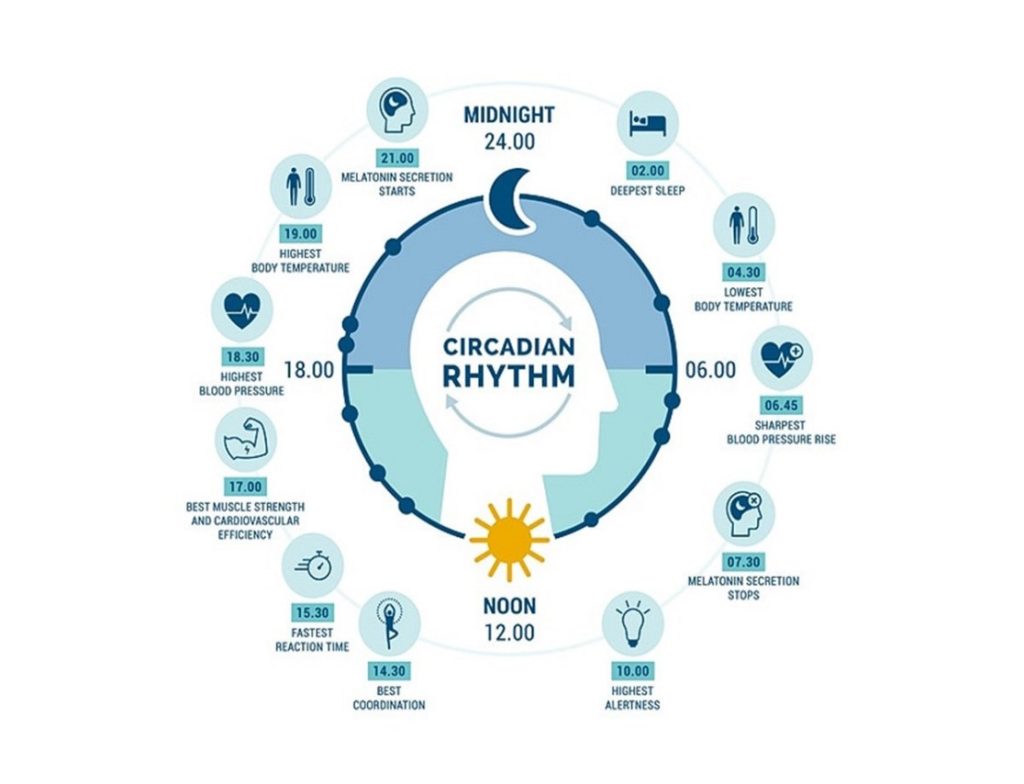
Biological rhythm (BR) is a phrase often used interchangeably with circadian rhythm. These rhythms are a series of bodily functions (physical processes) regulated by the body’s internal clock. They control cycles like sleep and wakefulness, body temperature, hormone secretion, and more.
How Biological Rhythms Work
The circadian rhythm is the sleep-wake pattern of a 24-hour day for most living beings, particularly human beings. It is a part of four biological rhythms.
Biological rhythms are periodic natural changes in the body’s functions or chemicals.
Circadian rhythms are periodic bodily, mental, and behavioral changes that follow a 24-hour cycle.
The circadian clock plays a physical, mental, and behavioural role that responds to light and dark.
This clock helps regulate functions that include:
Sleep management
Food management
Health and disease management
Hormone levels
Body temperature
Work schedule management and performance
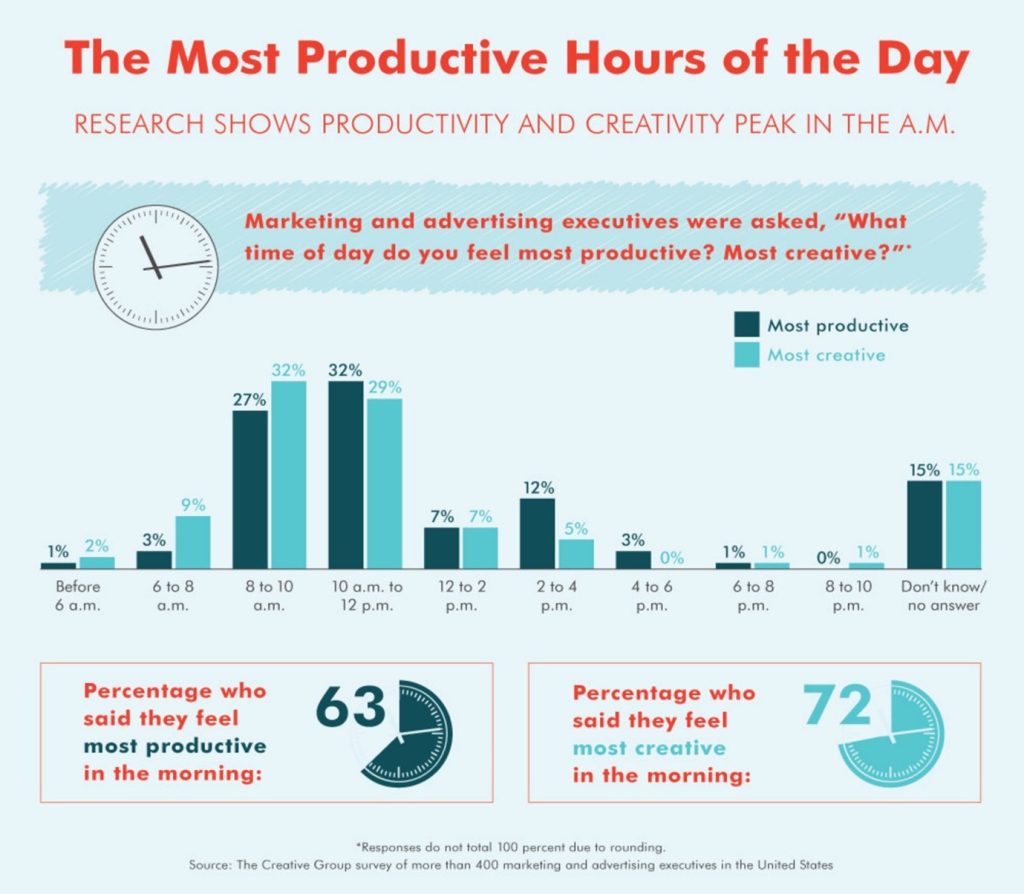
Productivity management in the workplace
Body fitness and wellness.
Helps in managing other workplace operations related to productivity.
External factors can influence biological rhythms. For instance, exposure to sunlight, drugs, and caffeine can affect sleep schedules.
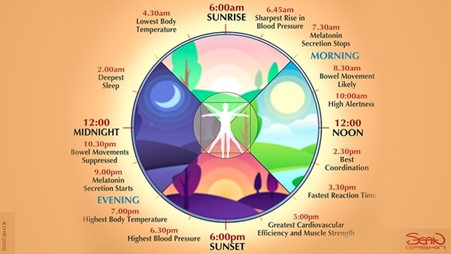
Understand Biological Clocks or Body Clocks, and Circadian Rhythm. – A Workplace requirement SK 80
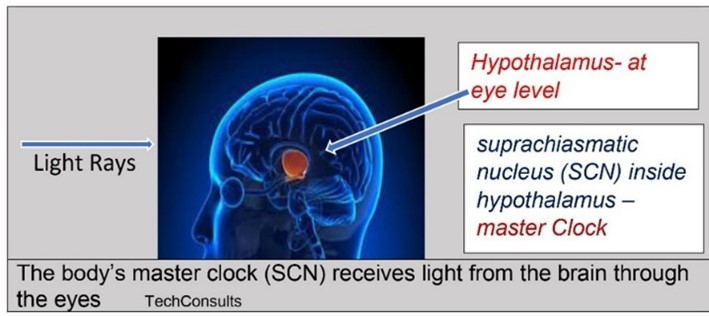
Body Master Clock- SCN
The SCN conveys messages over the course of the day to control the body’s movement.
The hypothalamus, a structure deep in the brain, that acts as the body’s smart control / coordinating centre, is very small.
The hypothalamus responds to light and dark signals that are transmitted to the retina through the eyes. The retina sends a signal to SCN.
The SCN (The suprachiasmatic nucleus or nuclei (SCN) is a tiny region of the brain. It is responsible for controlling circadian rhythms. ) controls the production of melatonin, a hormone that inducing sleep. When there is less light, the SCN tells the brain to make more melatonin that induces sleep.
The Wise Schedule – Program the Day
🌅 5:30 – 7:00 AM | Wake-Up & Activation Phase
👉 Body state:
- Cortisol rising (natural wake signal)
- Mind fresh, distraction-free
✅ What to do:
- Wake up at fixed time
- Light exposure (sunlight)
- Hydration
- Light exercise / walk / yoga
- Planning your day
💡 Avoid phone immediately after waking
🧠 7:00 – 10:30 AM | Peak Focus Zone (Golden Hours)
👉 Body state:
- Highest alertness
- Best cognitive performance
✅ Ideal for:
- Deep work
- Strategic thinking
- Writing / analysis
- Important decisions
🚀 This is your MOST valuable time — protect it
☕ 10:30 AM – 12:30 PM | High Productivity Continuation
👉 Still strong focus but slightly lower than peak
✅ Best for:
- Meetings (important ones)
- Problem-solving
- Execution tasks
🍽️ 12:30 – 2:00 PM | Energy Dip Phase
👉 Body state:
- Natural slowdown
- Mild sleepiness
✅ What to do:
- Lunch (light, not heavy)
- Short walk
- Avoid intense work
💡 Don’t schedule critical decisions here
🌤️ 2:00 – 5:00 PM | Recovery Productivity Zone
👉 Body state:
- Moderate energy returns
✅ Best for:
- Routine work
- Emails
- Coordination
- Follow-ups
🏃 5:00 – 7:00 PM | Physical Peak Zone
👉 Body state:
- Best strength & endurance
✅ Ideal for:
- Exercise / gym / walk
- Sports
🌆 7:00 – 9:00 PM | Wind-Down Phase
👉 Body begins slowing
✅ What to do:
- Dinner (light & early)
- Family time
- Light reading / reflection
🌙 9:00 – 10:30 PM | Sleep Preparation Phase
👉 Melatonin release begins
✅ Must do:
- Reduce screen exposure
- Avoid heavy thinking/work
- Calm environment
😴 10:30 PM – 5:30 AM | Deep Sleep & Recovery
👉 Body state:
- Repair mode
- Memory consolidation
- Hormonal balance
✅ Goal:
- 7–8 hours quality sleep
📊 Your Daily Performance Map
| Time | Best Use |
| Morning | Deep work |
| Midday | Important tasks |
| Afternoon | Routine work |
| Evening | Physical activity |
| Night | Recovery |
⚠️ Golden Rules (Non-Negotiable)
✔ Fixed sleep & wake time
✔ No heavy meals late night
✔ Limit screens before sleep
✔ Protect morning peak hours
✔ Take breaks every 60–90 mins
🧠 Advanced Insight (Very Powerful)
👉 If you align this schedule consistently:
You will notice:
- 30–50% productivity increase
- Better emotional control
- Reduced stress
- Improved decision-making
🔁 Flexible Adaptation (Real Life Use)
If your schedule is tight:
- Even shifting just 2 things helps:
- Protect morning focus
- Fix sleep timing
Reset Circadian Rhythms
If the productivity is getting affected, there is need to reset your circadian rhythms for untroubled sleep and increased output. Sleep management is one of the big tasks related to productivity or output.
- Resetting of circadian rhythms is gradual. Therefore, patience is needed.
- Have a scheduled routine for daily actions and stick around it even on work or school holidays.
- Care for fitness and wellness. The exercise done to achieve fitness and wellness produce the sleep hormone Melatonin, that helpful for sleep action. Depending on your work or school times, exercise so that you are not tired, otherwise, you may change exercise timings.
- Avoid alcohol and caffeine in the evening
- Reduce mobile, computer, and other screen use before sleep time as these reduce sleep-inducing hormone production. It is better to stop using these gadgets well before your scheduled sleep time.
- Avoid unscheduled naps and limit the time.
- It’s also ideal to be aware of your circadian rhythm because it also dictates when you’re going to be most alert during the day and when you’re going to be the most productive,” – Doctor Roth.
- “People who are night owls tend to be most productive in the later evening. And people who are morning people tend to be most productive in the morning.”