

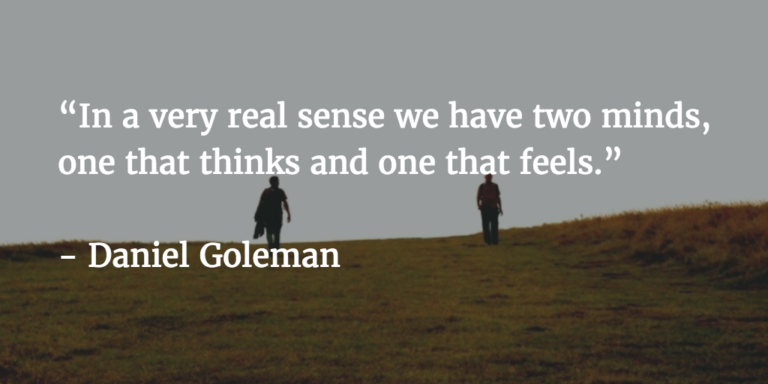
Emotional Intelligence (EI) is the secret ingredient to true workplace success. While IQ might land you the job, it’s EI that gets you promoted and helps you thrive. Self-awareness, emotional control, empathy, and relationship management are key components. Research shows that over 85% of long-term success is driven by behavior and emotional competence, not just technical know-how. The good news? EI can be improved. Start by reflecting on emotional triggers, practicing empathy, and learning to manage conflict constructively.
Excerpt
Emotional Intelligence (EI/EQ) is the key differentiator between average performance and exceptional leadership. While IQ may help you get hired, EI determines long-term success, workplace harmony, and sustainable growth.
TeconSults Previous Post on Emotional Intelligence
| Emotional Intelligence at Workplace R1 – TechConsults |
| https://techconsults.in/emotional-intelligence-at-workplace-1-2/ |
| https://techconsults.in/emotional-intelligence-at-workplace-2-2/ |
Introduction: Work, Workplace & Human Potential
Every individual works to fulfil essential and aspirational needs—food, shelter, income, recognition, and growth. The workplace is where these efforts translate into meaningful results.
Modern workplaces have evolved significantly in infrastructure, systems, and technology. However, true success still depends on the quality of human actions, behaviour, and interactions.
It is often observed that individuals with similar qualifications and training do not achieve the same level of success. The difference lies in:
Workplace environment
Attitude and discipline
Emotional Intelligence (EI)
👉 Success is not just about what you know—but how you behave, respond, and connect.
Understanding Workplace Dynamics
A workplace is not merely a physical location—it is a continuous system of actions and interactions (24×7).
Key factors influencing workplace effectiveness:
Employee involvement
Organizational culture
Interpersonal relationships
Quality of execution
Success results from consistent, quality actions, while failures serve as learning opportunities.
Foundation of Success: The 4 Essential Attributes
Before mastering Emotional Intelligence, certain foundational attributes are critical:
| Attribute | Meaning |
| Desire | Doing the right things at the right time with purpose |
| Direction | Guidance from education, experience, and wisdom |
| Dedication | Commitment toward goals and responsibilities |
| Discipline | Structured execution—planning, quality, and control |
👉 These attributes create the base—but EI determines how effectively they are applied.
Why Emotional Intelligence Matters More Than IQ
Traditionally, Intelligence Quotient (IQ) has been the primary criterion for education and hiring. However:
IQ helps in selection
EI ensures success, growth, and leadership
Research and practical observation suggest:
Less than 15% of success depends on technical skills
More than 85% depends on emotional intelligence and behavior
Organizations today increasingly:
Assess behavioral competencies
Value interpersonal effectiveness
Prioritize leadership and teamwork skills
👉 Formula for real success:
IQ + EI = Complete Professional Excellence
What is Emotional Intelligence (EI/EQ)?
Emotional Intelligence is the ability to:
Understand your own emotions
Manage and regulate them
Recognize emotions in others
Build effective relationships
It influences both professional performance and personal well-being.
As defined by Robert K. Cooper:
Emotional intelligence is the ability to sense, understand, and effectively apply emotions as a source of energy, connection, and influence.
Core Components of Emotional Intelligence
1. Self-Awareness
Emotional awareness
Self-confidence
Realistic self-assessment
2. Self-Management
Emotional control
Adaptability
Initiative and optimism
3. Social Awareness
Empathy
Understanding others’ perspectives
Organizational awareness
4. Relationship Management
Leadership
Conflict resolution
Team collaboration
👉 These four pillars define practical EI application in the workplace.
IQ vs EI: The Real Difference
| Aspect | IQ | EI |
| Nature | Objective | Subjective |
| Focus | Logic & reasoning | Emotions & behavior |
| Measurement | Tests & scores | Observed behavior |
| Role | Helps get a job | Ensures growth |
👉 Key Insight:
Technical competence opens doors—but emotional competence sustains success.
Workplace Behavior: Low EI vs High EI
Low EI Traits
Aggressive, ego-driven
Poor listener
Impulsive and reactive
Resistant to change
Easily disturbed
High EI Traits
Calm and patient
Empathetic and sociable
Strong communicator
Stable and consistent
Effective leader
👉 High EI individuals naturally become better managers, collaborators, and decision-makers.
Emotional Intelligence in HR & Project Management
Technical skills may help in hiring, but human behavior ensures results.
Critical workplace competencies include:
Leadership
Communication
Trust-building
Negotiation
Conflict management
Motivation and influencing
👉 Human Resource Management is the core driver of project success, not just tools and processes.
Common Emotional Traps (Thinking Errors)
Attitudes play an important part in workplace environment management methods, and these methods require not only Intelligent Quotient (IQ) but a more important Emotional Intelligence (EI). It is the EI that makes the result better and increases individual’s competence level.
Understanding these patterns helps improve EI:
Distorted thinking (expecting worst outcomes)
Ignoring positives
All-or-nothing thinking
Overgeneralization
Mind reading
Personalization
Blaming others
“I am always right” mindset
👉 Awareness of these traps is the first step toward emotional mastery.
How to Develop Emotional Intelligence
Practical Actions
Stay calm under pressure
Practice empathy
Improve listening skills
Reflect on negative thoughts
Learn from failures
Be assertive—not aggressive
Mindset Framework
Desire
Direction
Dedication
Discipline
👉 These principles align workplace fundamentals with emotional intelligence for consistent success.
Real Insight: The Missing Balance
Children naturally develop emotional intelligence through interaction.
However, formal education often emphasizes IQ over EI.
👉 Long-term success requires a balance of both.
Powerful Perspectives
“No one cares how much you know, until they know how much you care.”
“It isn’t stress that makes us fall, but how we respond to it.”
“The secret of genius is to carry the spirit of the child into old age.”
Conclusion: From Knowledge to Results
Maximum productivity is achieved when individuals operate in an optimal emotional state. Leaders and individuals alike must take responsibility for how their behavior affects others’ performance. Emotional Intelligence plays a crucial role in maintaining this balance and ensuring sustainable success.
Success is not determined by intelligence alone. It depends on:
How you manage yourself
How you handle others
How you respond to challenges
👉 Emotional Intelligence transforms knowledge into performance.
A strong workplace foundation combined with EI leads to:
Better leadership
Stronger relationships
Higher productivity
Sustainable growth
Key Takeaways
IQ helps you get hired; EI helps you grow
85% of success depends on emotional intelligence
EI includes self-awareness, self-management, social awareness, and relationship management
High EI individuals are better leaders and team players
EI can be developed through consistent practice
FAQs
1. What is Emotional Intelligence in simple terms?
It is the ability to understand and manage your emotions while effectively interacting with others.
2. Why is EI more important than IQ?
Because real-world success depends more on behavior, relationships, and emotional control than technical knowledge.
3. Can Emotional Intelligence be improved?
Yes, through self-awareness, practice, feedback, and behavioral changes.
4. How does EI impact workplace success?
It improves leadership, teamwork, communication, and conflict resolution—leading to better performance and growth.
If you want maximal productivity and if you want work that gets the best results, you want the people doing that work to be in the optimal brain state for the work. You are a person who can evict them from the zone of optimal performance by slothfully handling your own interactions with them. So, it’s up to you to take responsibility for your impact on their ability to work at their best. — Daniel GolemanFAQs